
LIFT Strength
Build strength through weight training. Create a foundation that supports your body both under the barbell and on a run.
IKTYPE is coach IK JAE LEE's hybrid training brand. It brings strength, endurance and mobility together in one training plan, shaped around your current fitness, goals and everyday schedule.
Opens Instagram Direct.
GYMTOWN FOREST Head Coach · 230KG DEADLIFT · SEOUL


LIFT · RUN · MOVEStrength · Endurance · Mobility, in one plan.
01 · FOR YOU
Hybrid coaching for people who want to combine weight training and running but find it hard to balance training order, intensity and recovery. We start with your current training experience, weekly schedule and goals.
02 · THE IKTYPE METHOD
It is an approach that connects strength, endurance and mobility in one plan. IKTYPE builds strength through weight training, develops endurance through running and uses mobility work to prepare for the next movement.
Build strength through weight training. Create a foundation that supports your body both under the barbell and on a run.

Develop the endurance to keep moving through running. Running intensity and volume are adjusted to your goals and fitness.

Explore your range of motion through mobility training. Monitor performance and recovery to prepare for the next session.
ONE CONNECTED PLAN
We consider weight training and running within the same plan, taking into account today's intensity, the next session and recovery.
03 · COACHING
Assess your starting point → Build a training plan → Adjust after training. Weight training, running and mobility are connected, and the plan is adjusted to your actual performance and recovery.
We set goals together and connect your training to your everyday life.
Send a DM with your current training, goals and biggest challenge.
Review your training experience, goals, weekly schedule and challenges.
Bring the order, intensity and recovery of weight training, running and mobility into one plan.
Adjust the plan based on your actual performance and recovery.
04 · COACH
Before talking about hybrid training, he has repeatedly lived the process: lifting barbells, running long distances and working on mobility. GYMTOWN FOREST Head Coach IK JAE LEE draws on that experience to connect training with each person's goals and daily rhythm.
Explore GYMTOWN FORESTRACE ARCHIVE · 2026
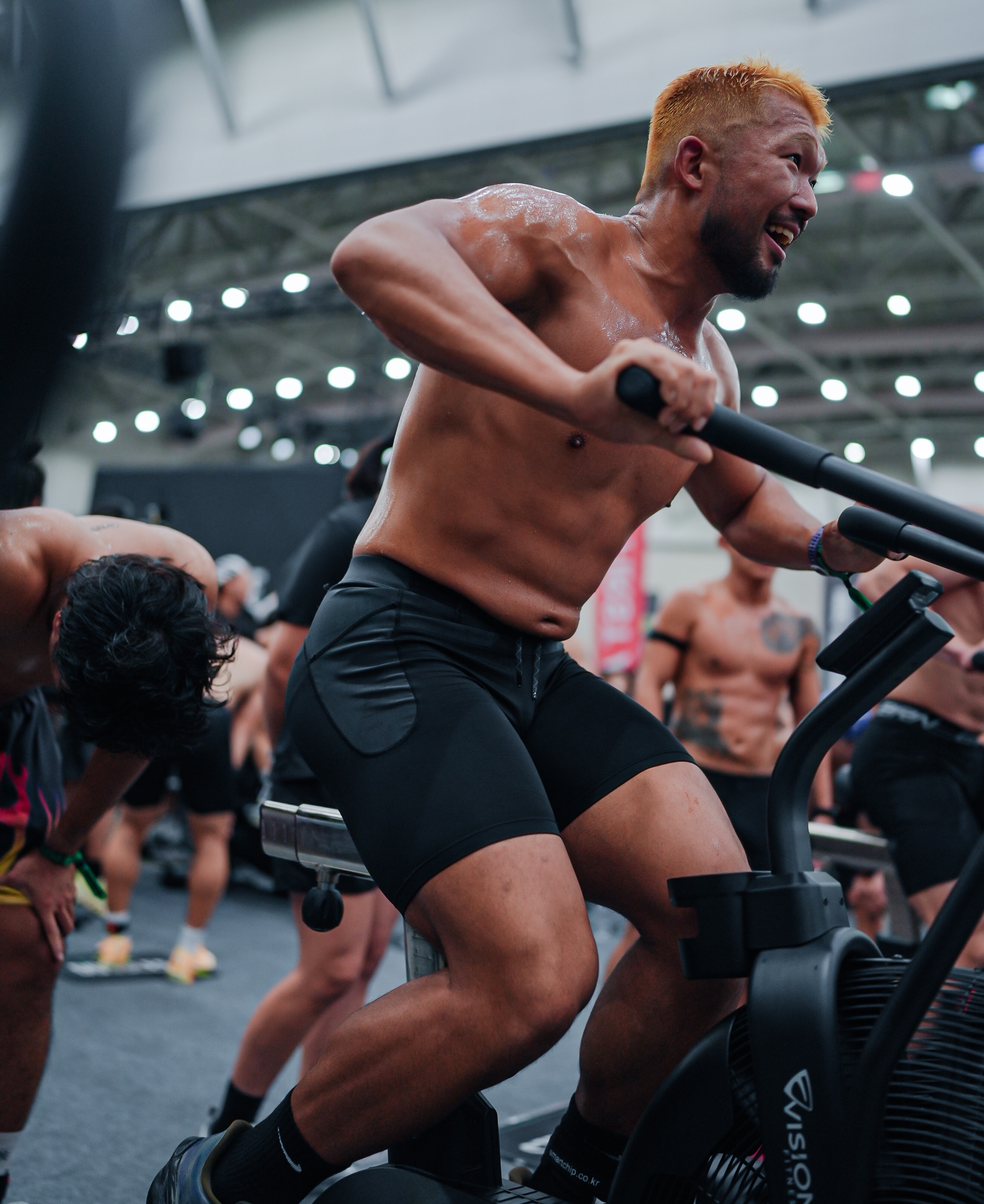
This video cannot be played. See the full story on Instagram.
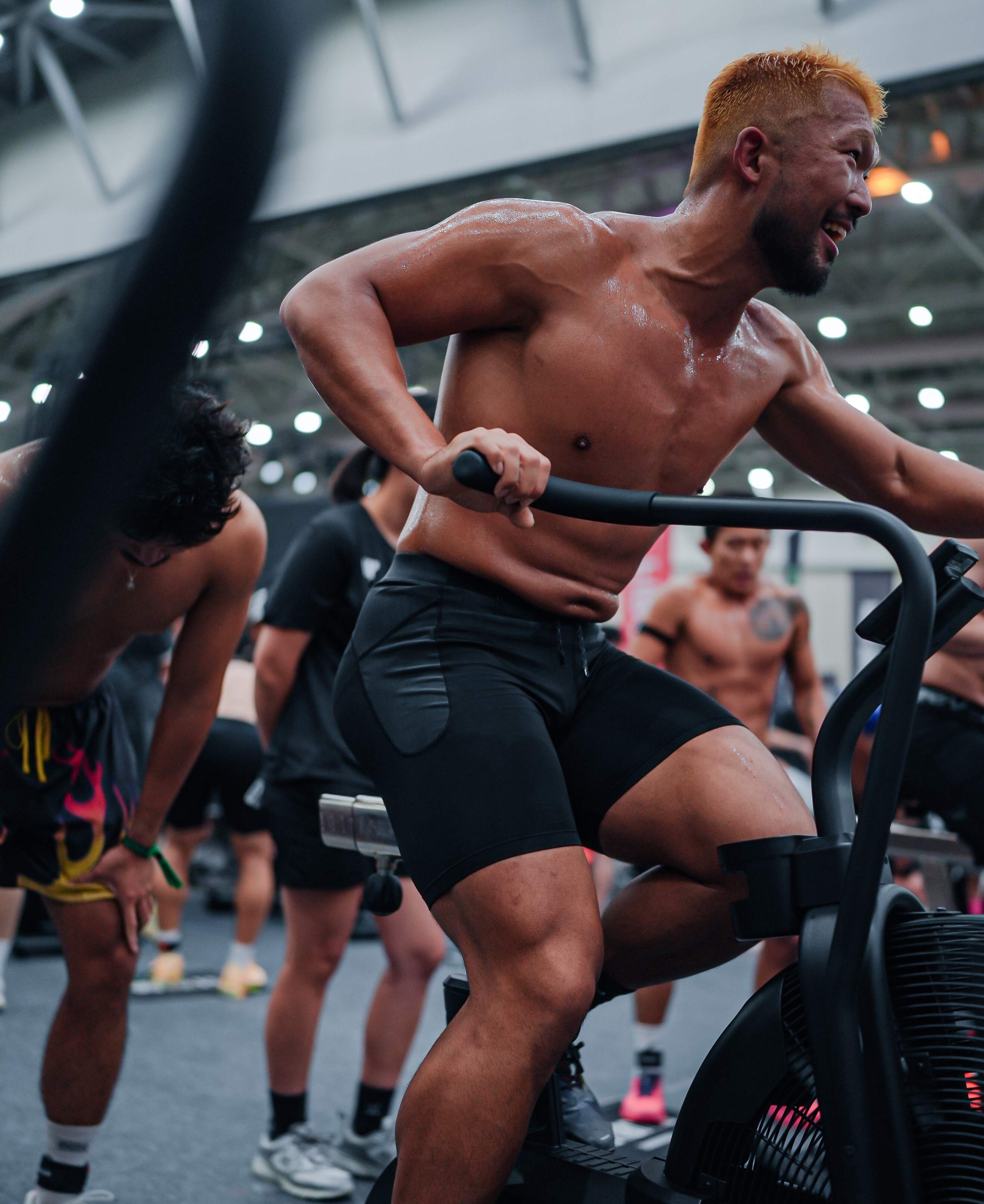
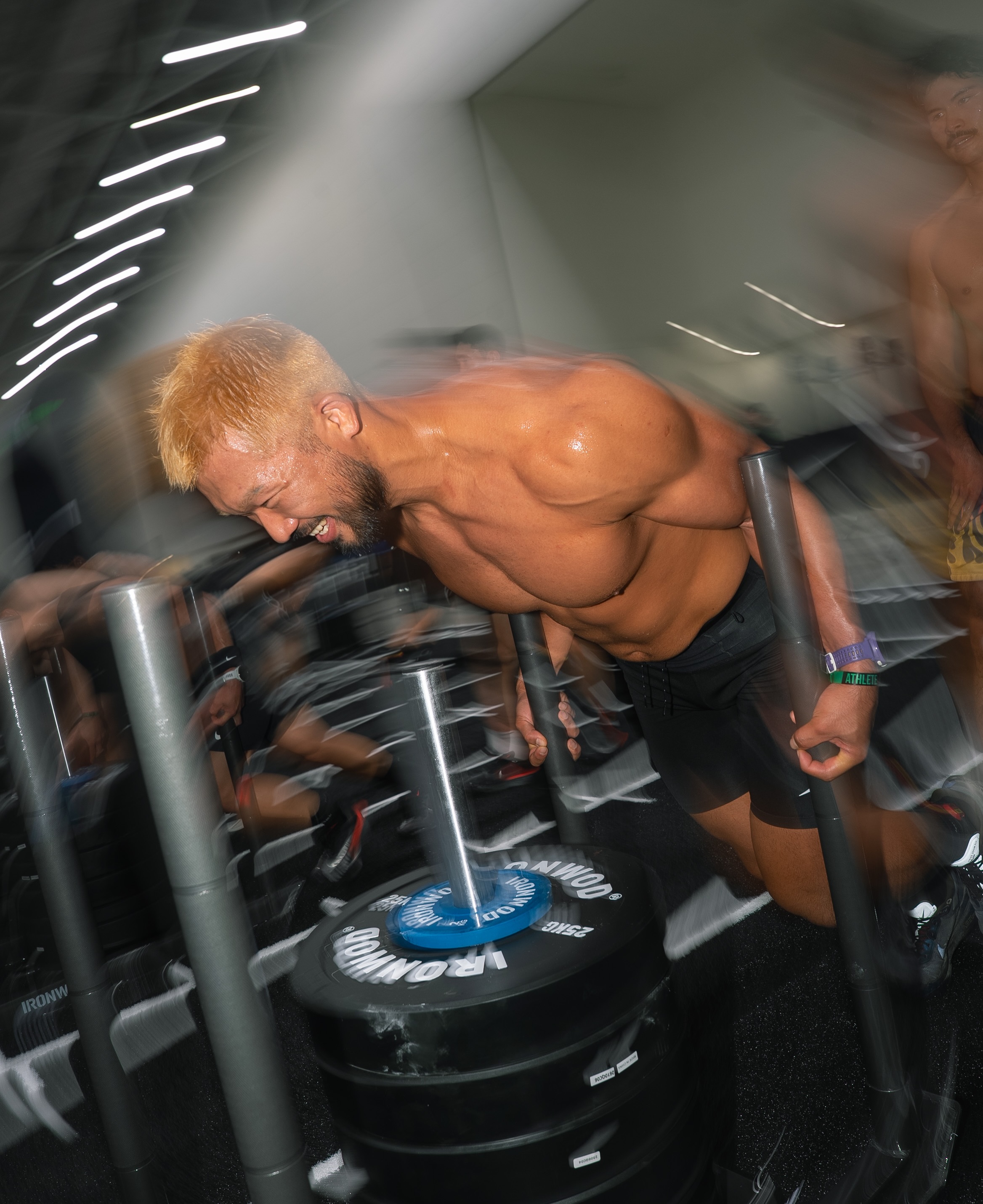
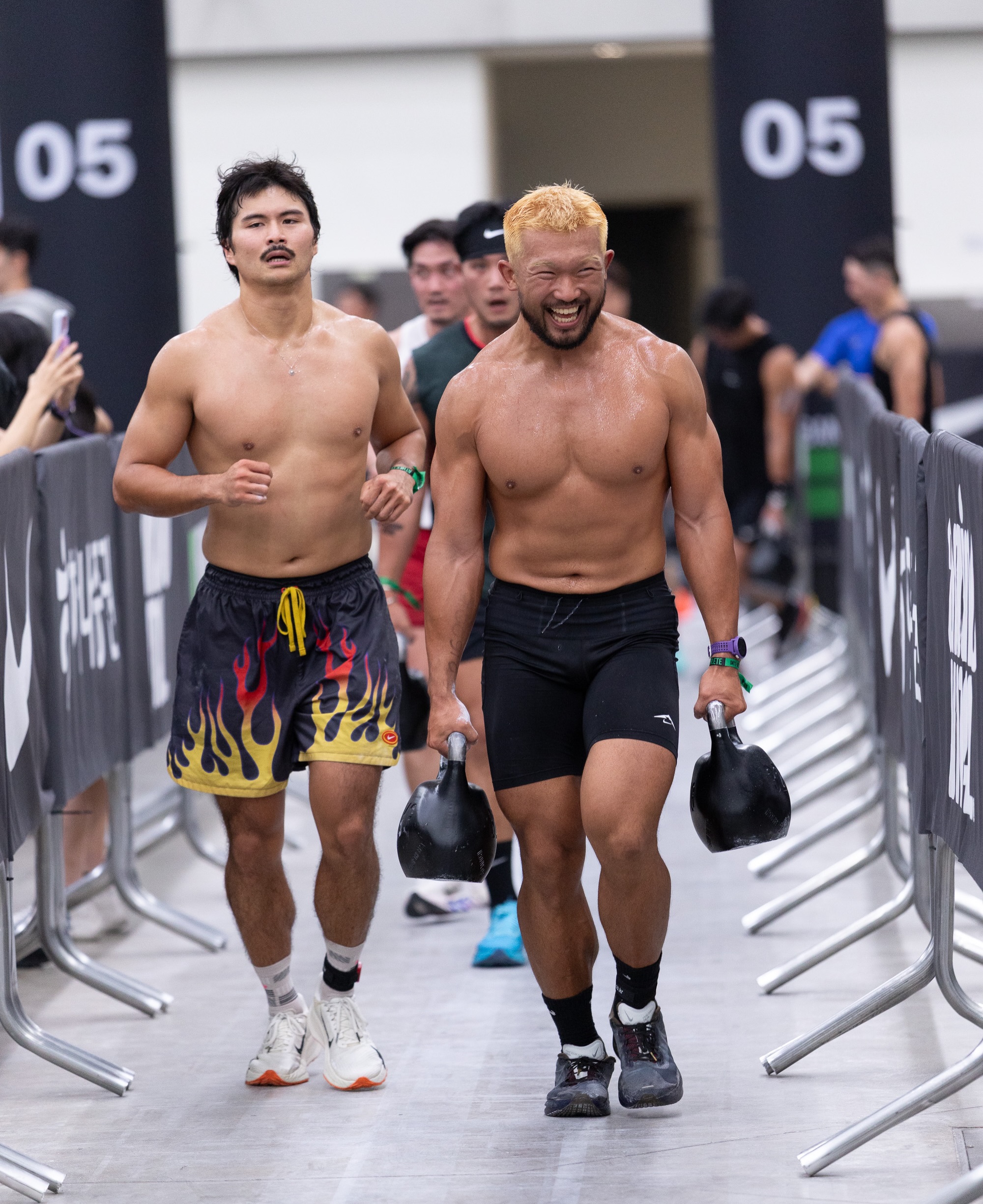
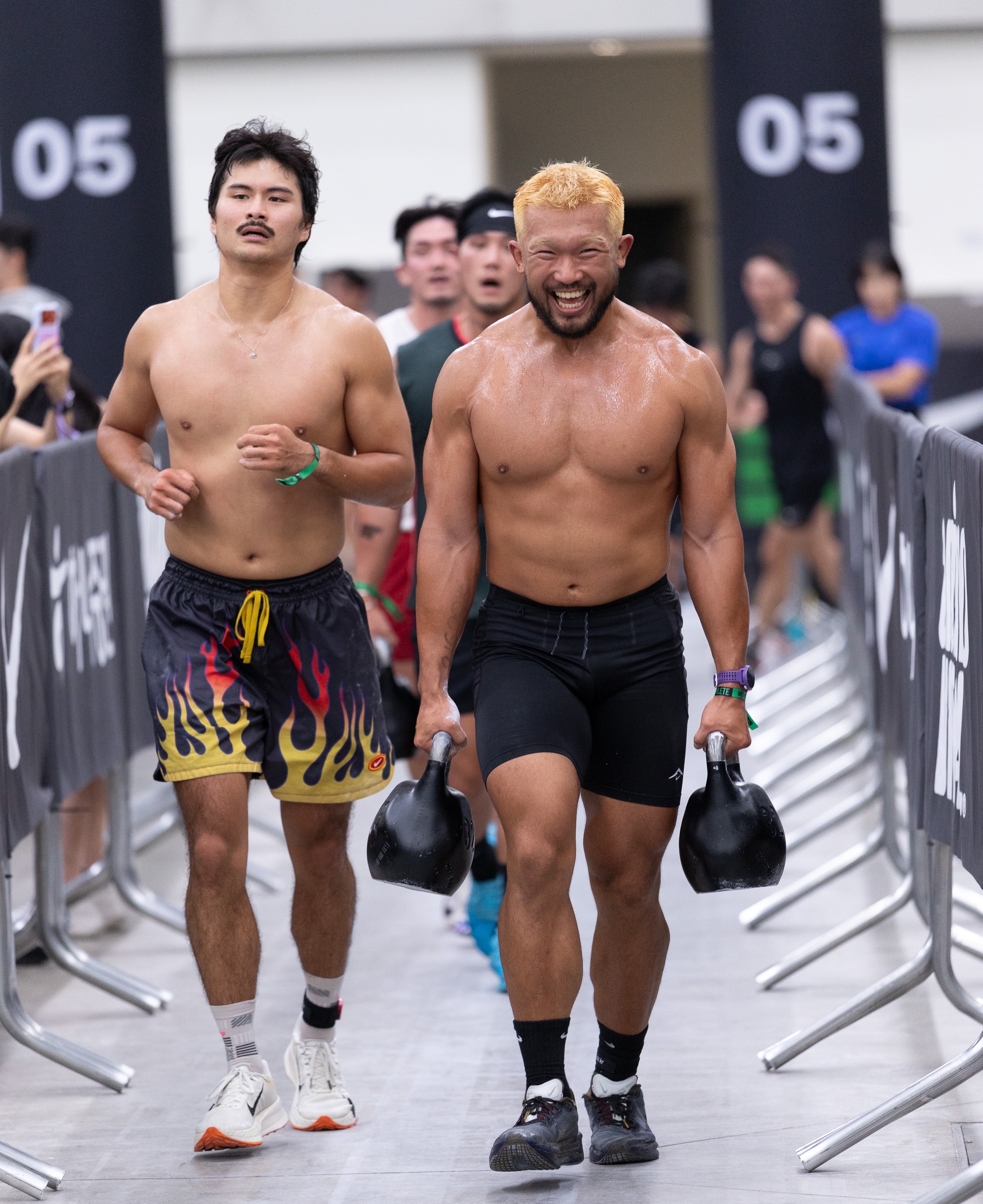
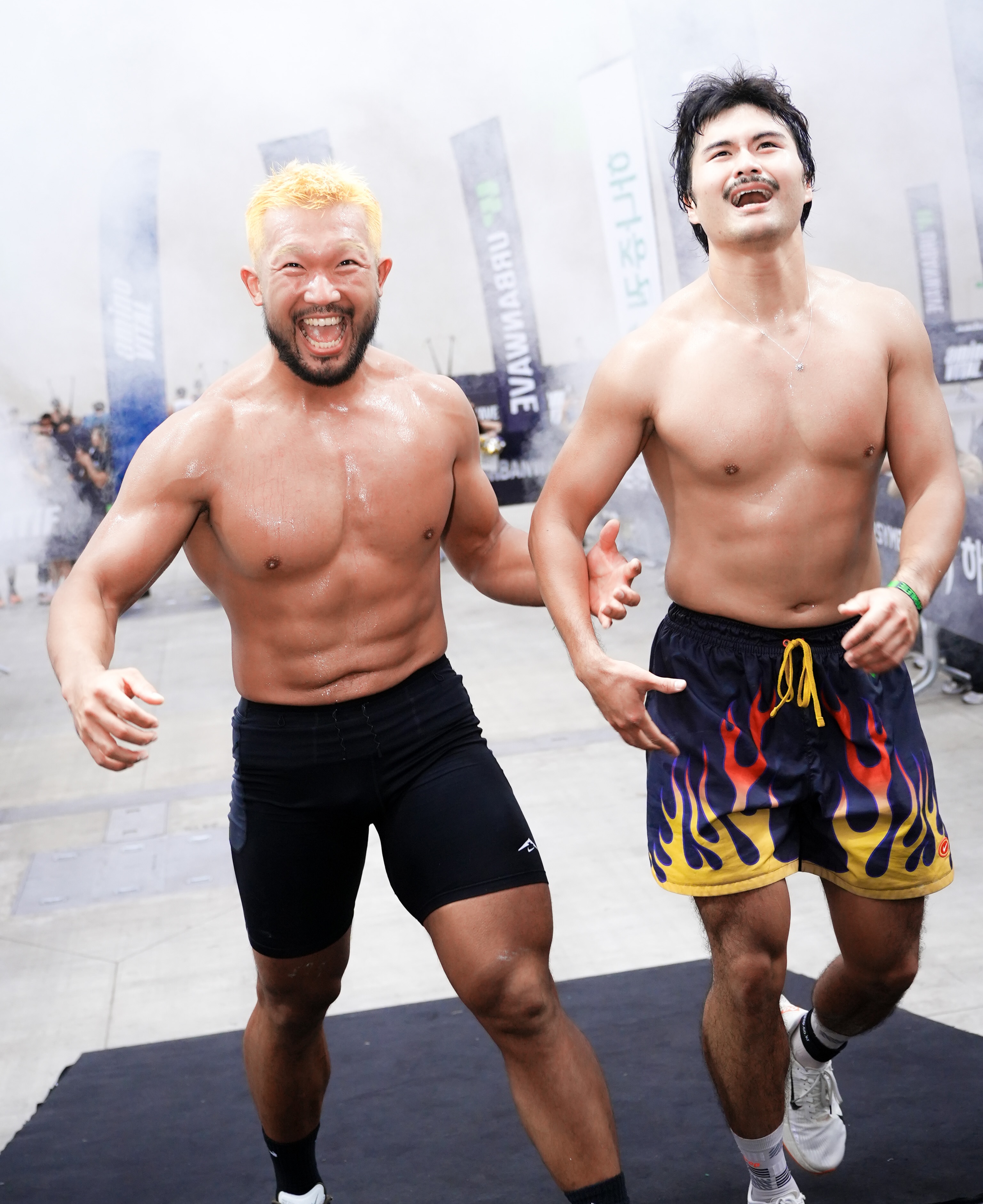
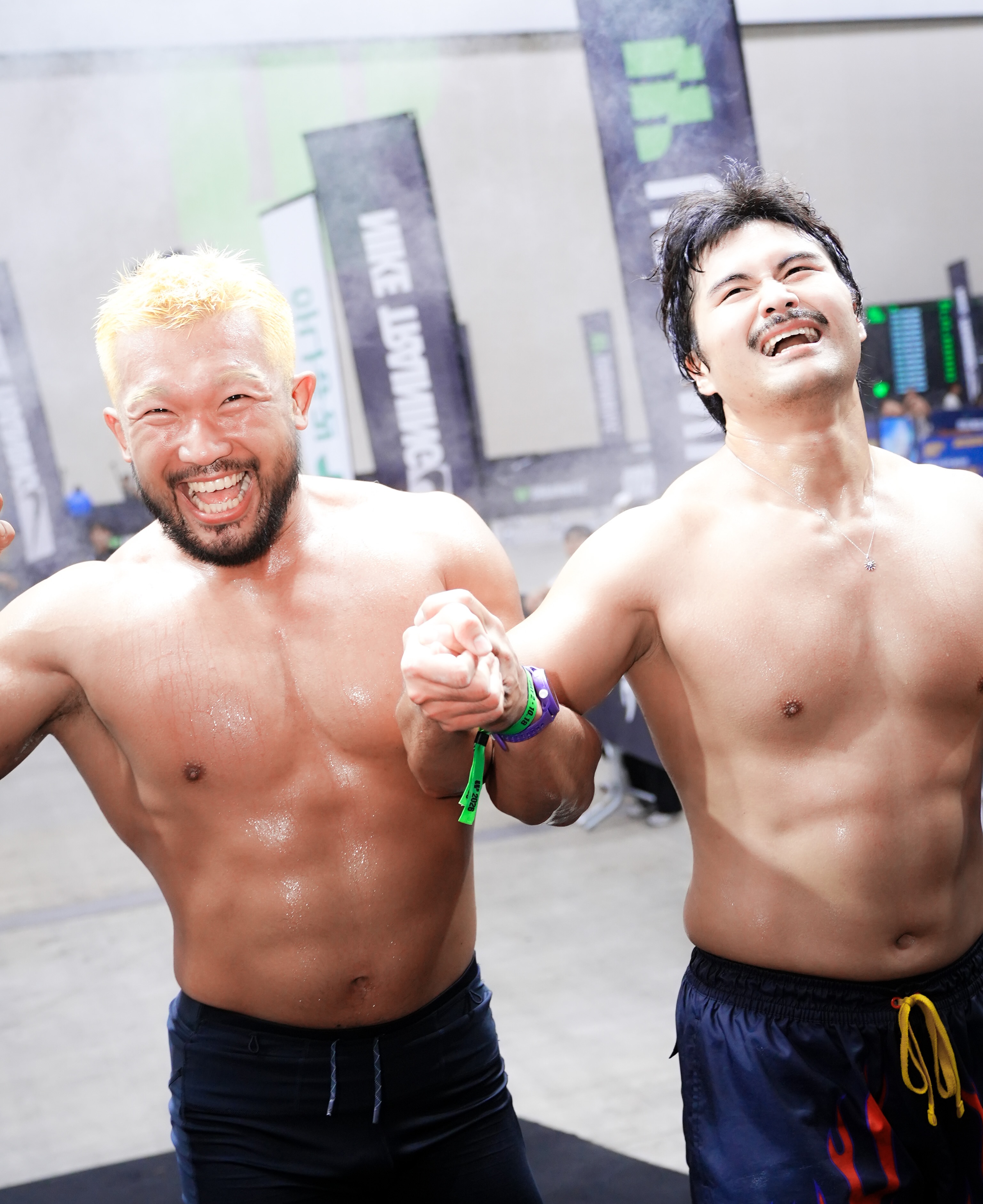
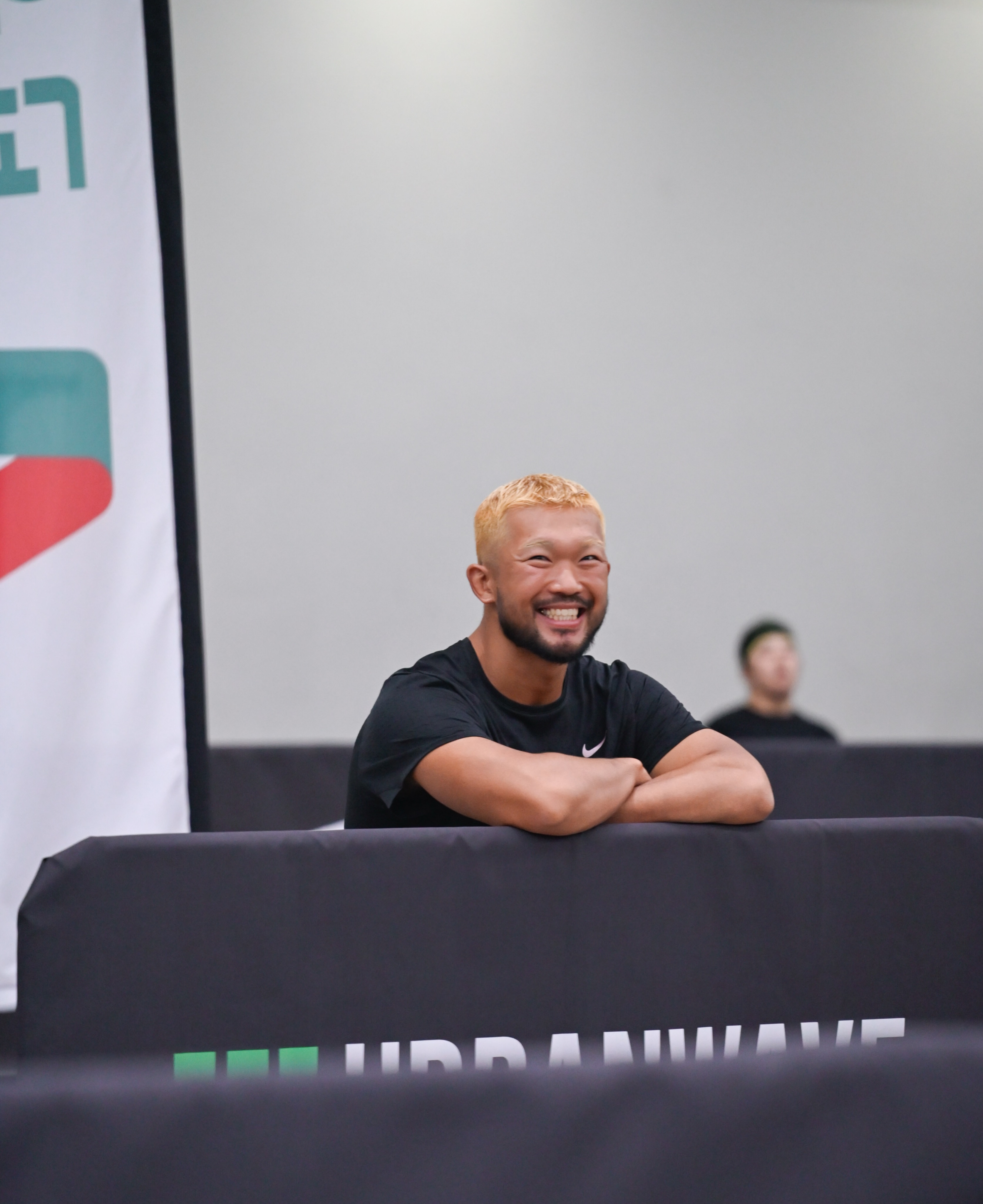
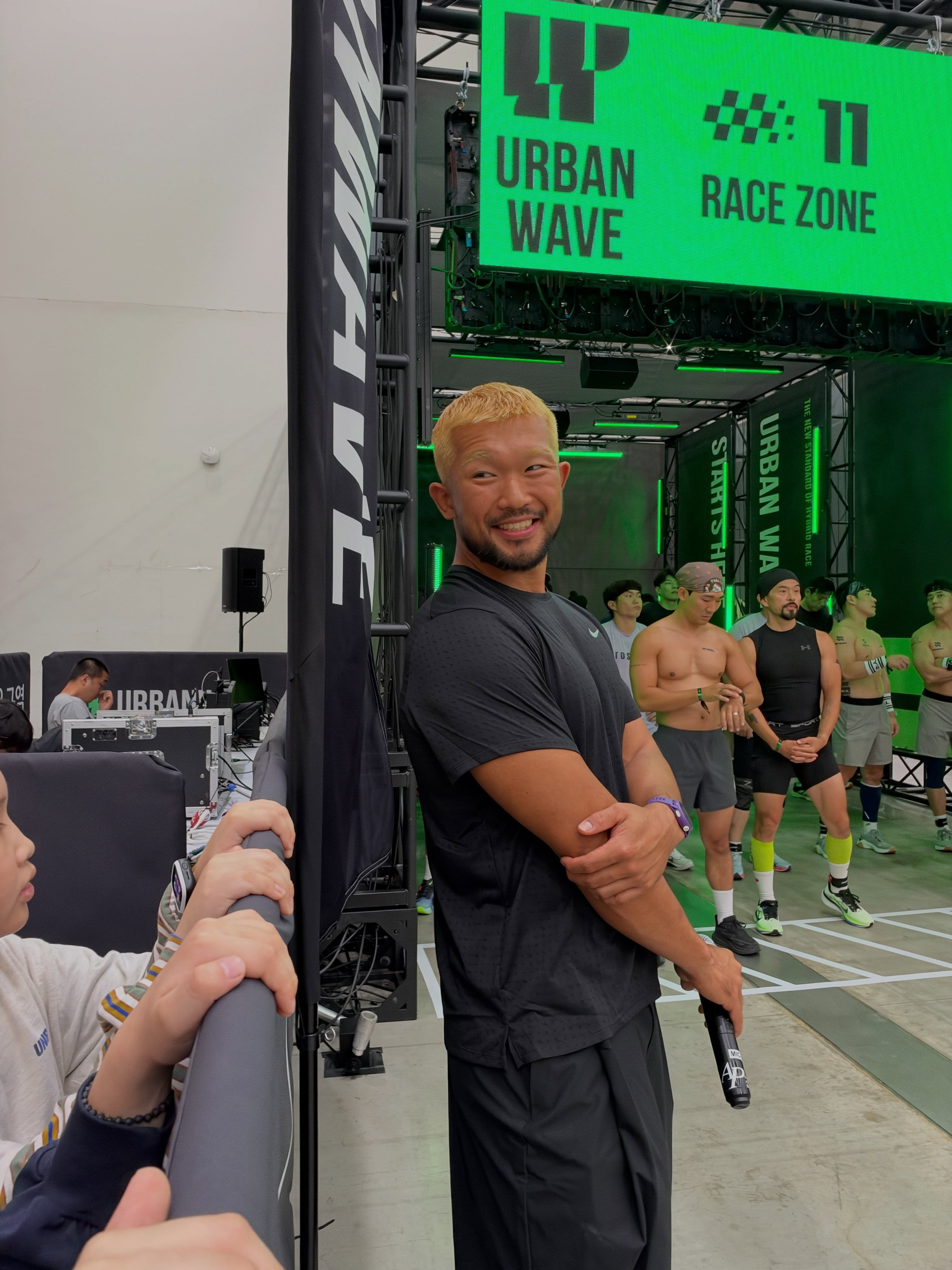
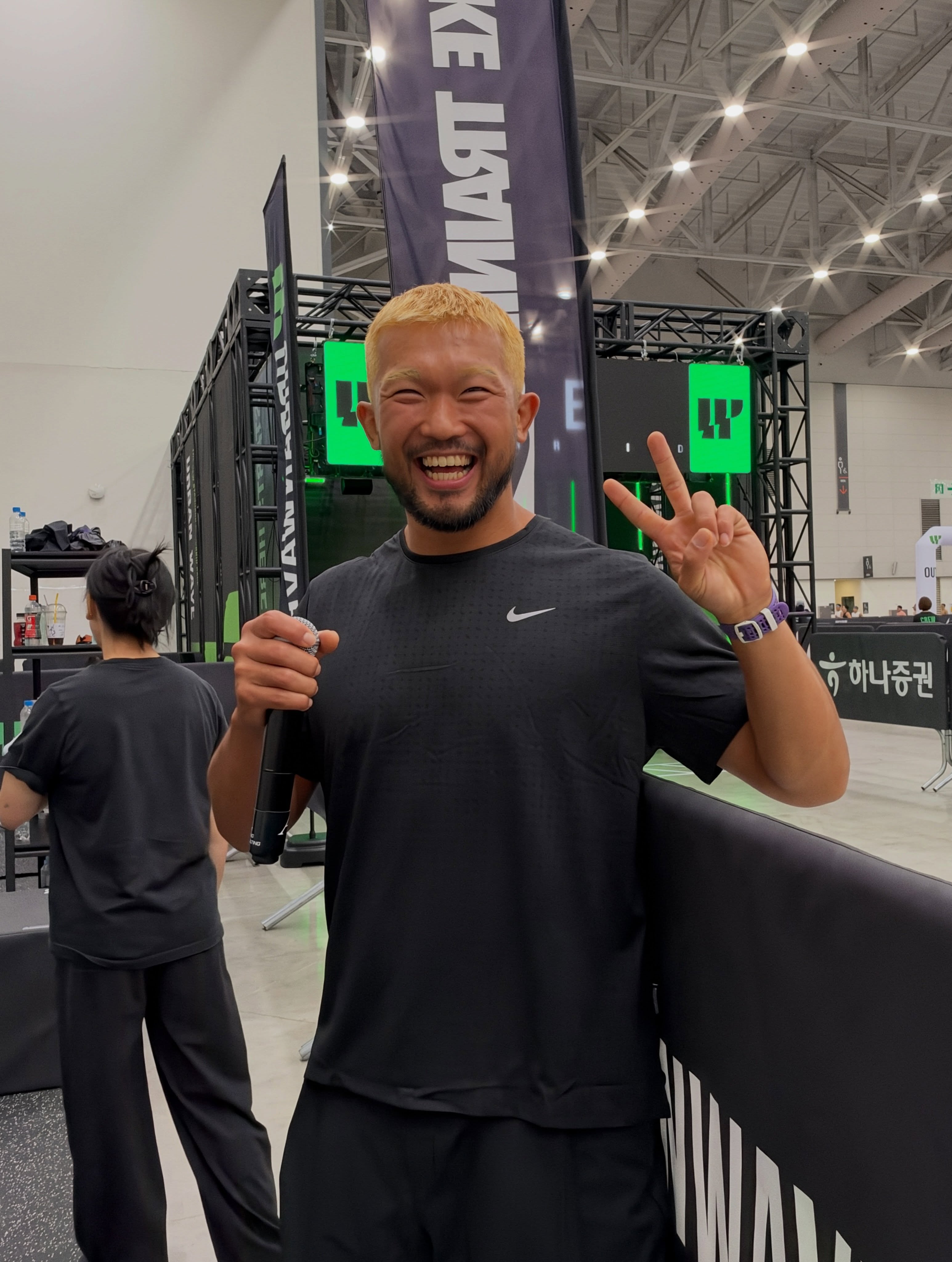
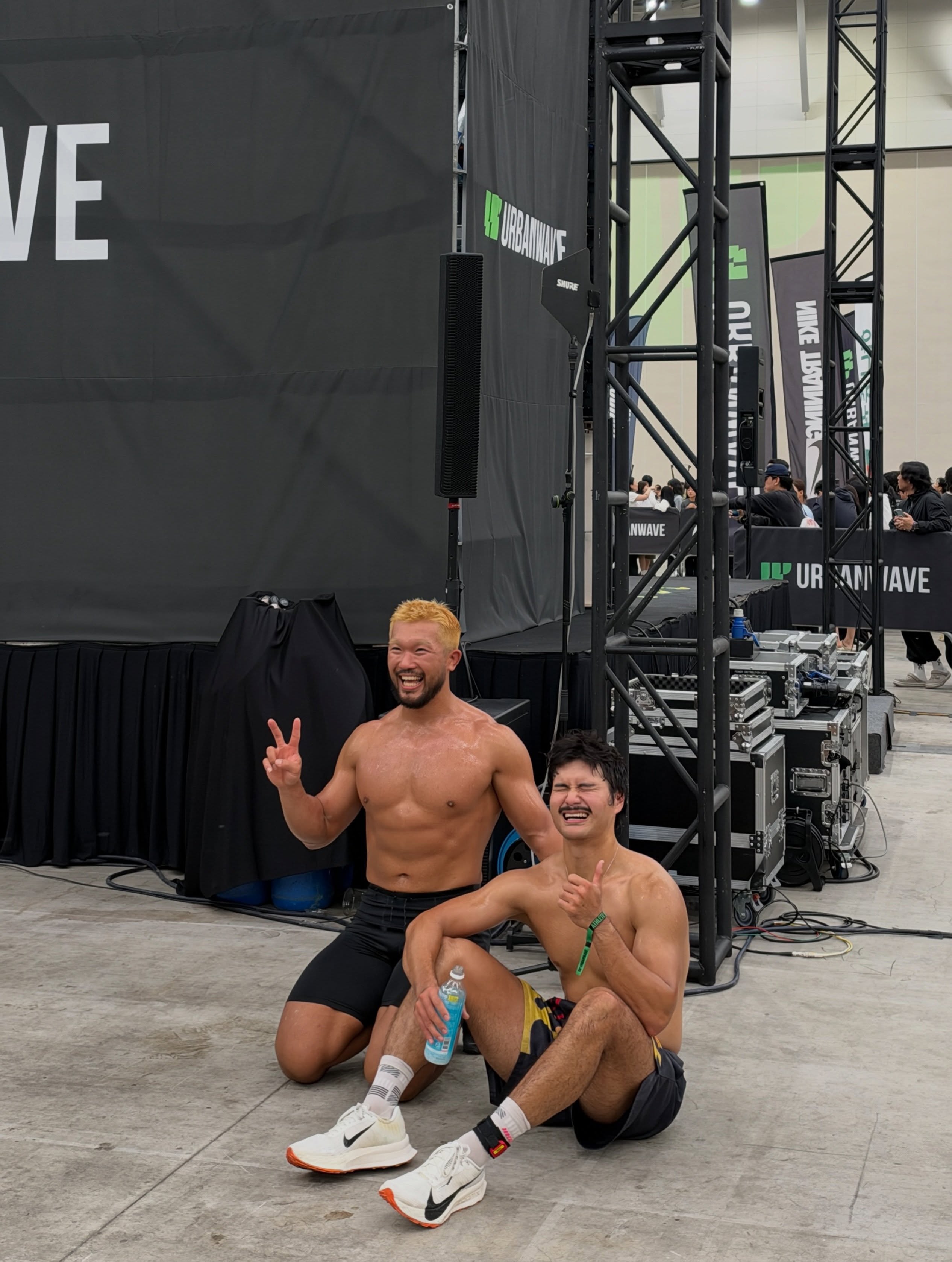
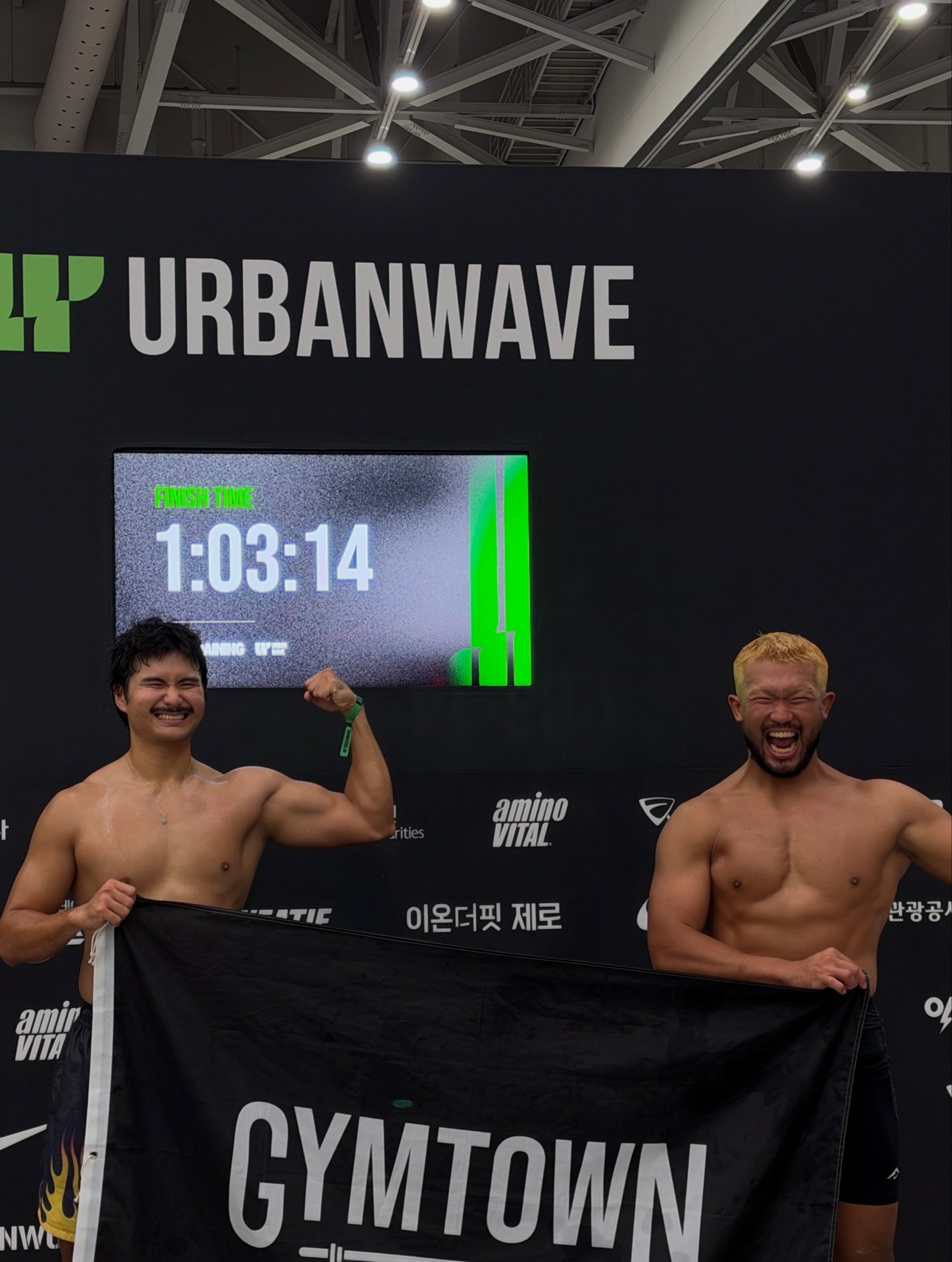
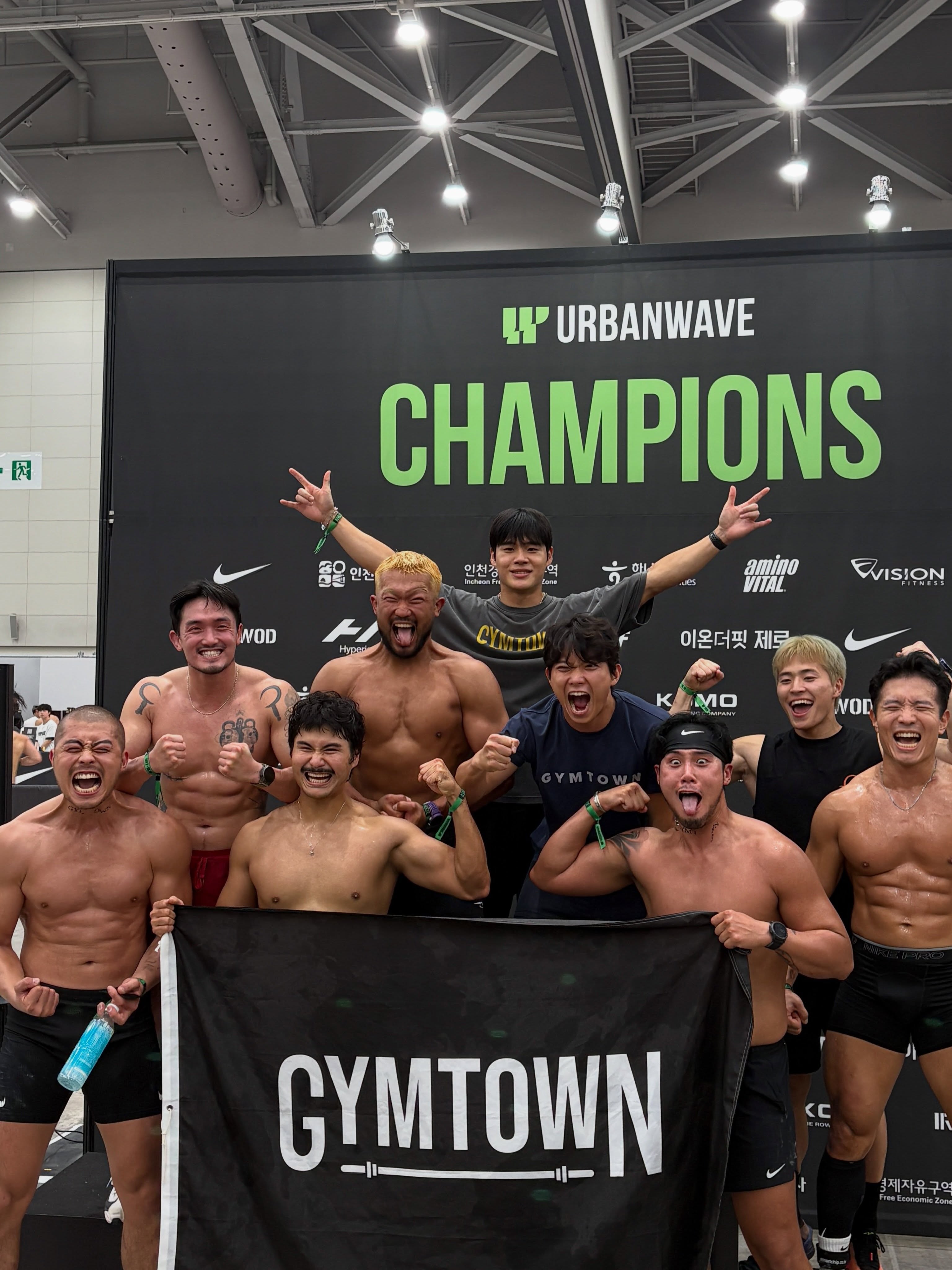
1 / 14 · Photo
01 · COMPETITION13 photos · 1 video
An urban fitness race that tested strength, endurance and movement together
See the full story on Instagram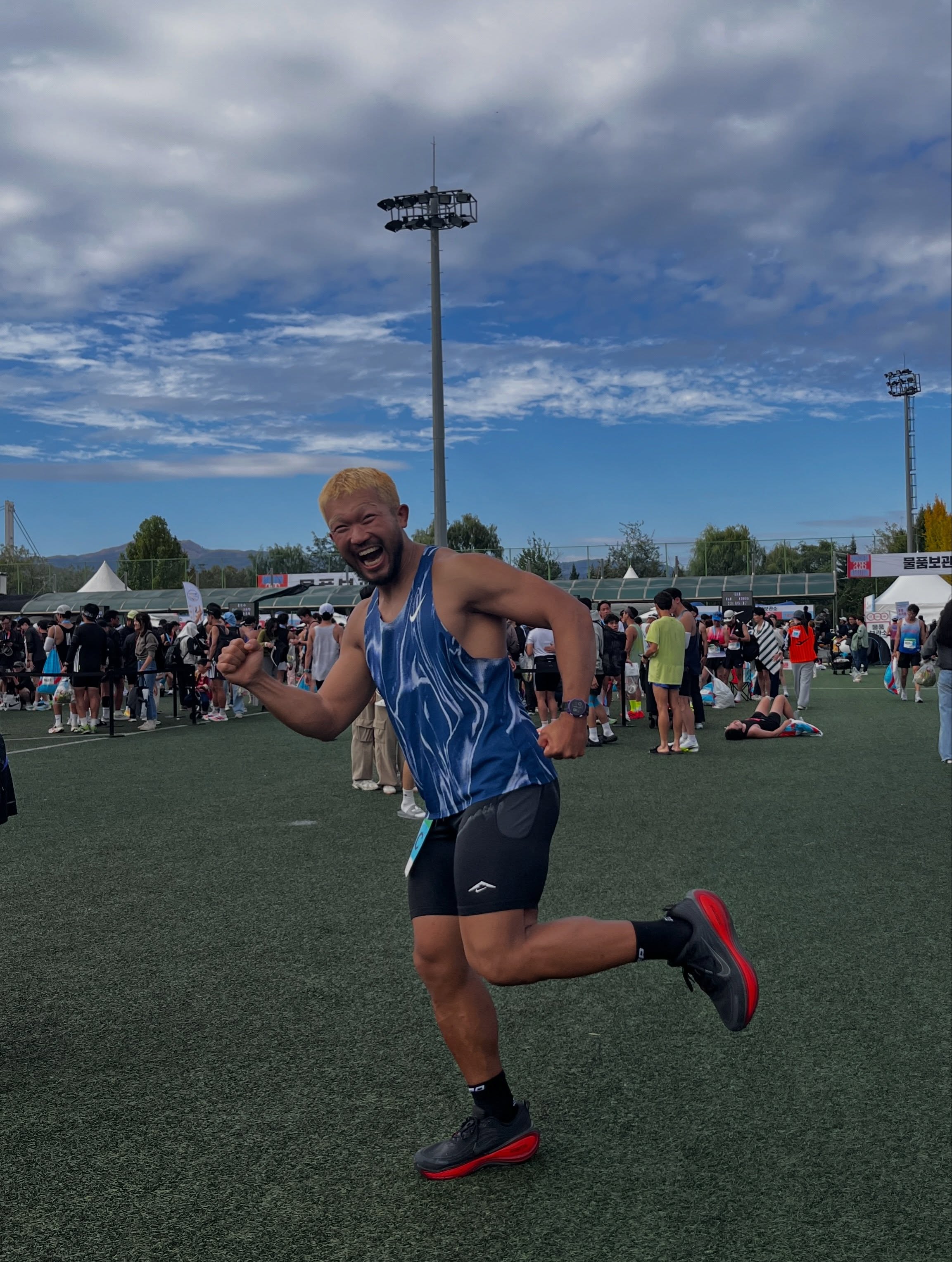
This video cannot be played. See the full story on Instagram.
This video cannot be played. See the full story on Instagram.
1 / 7 · Photo
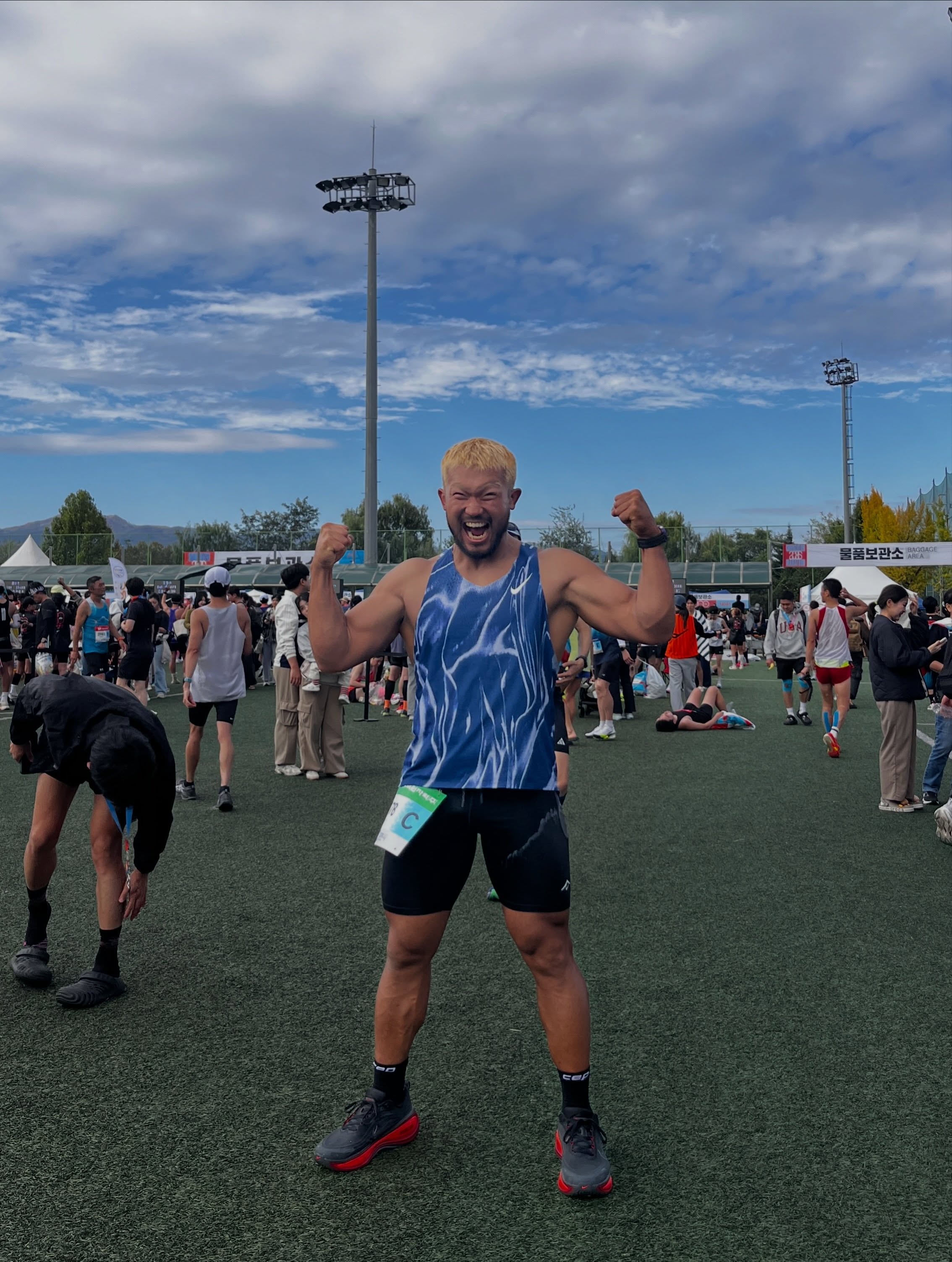
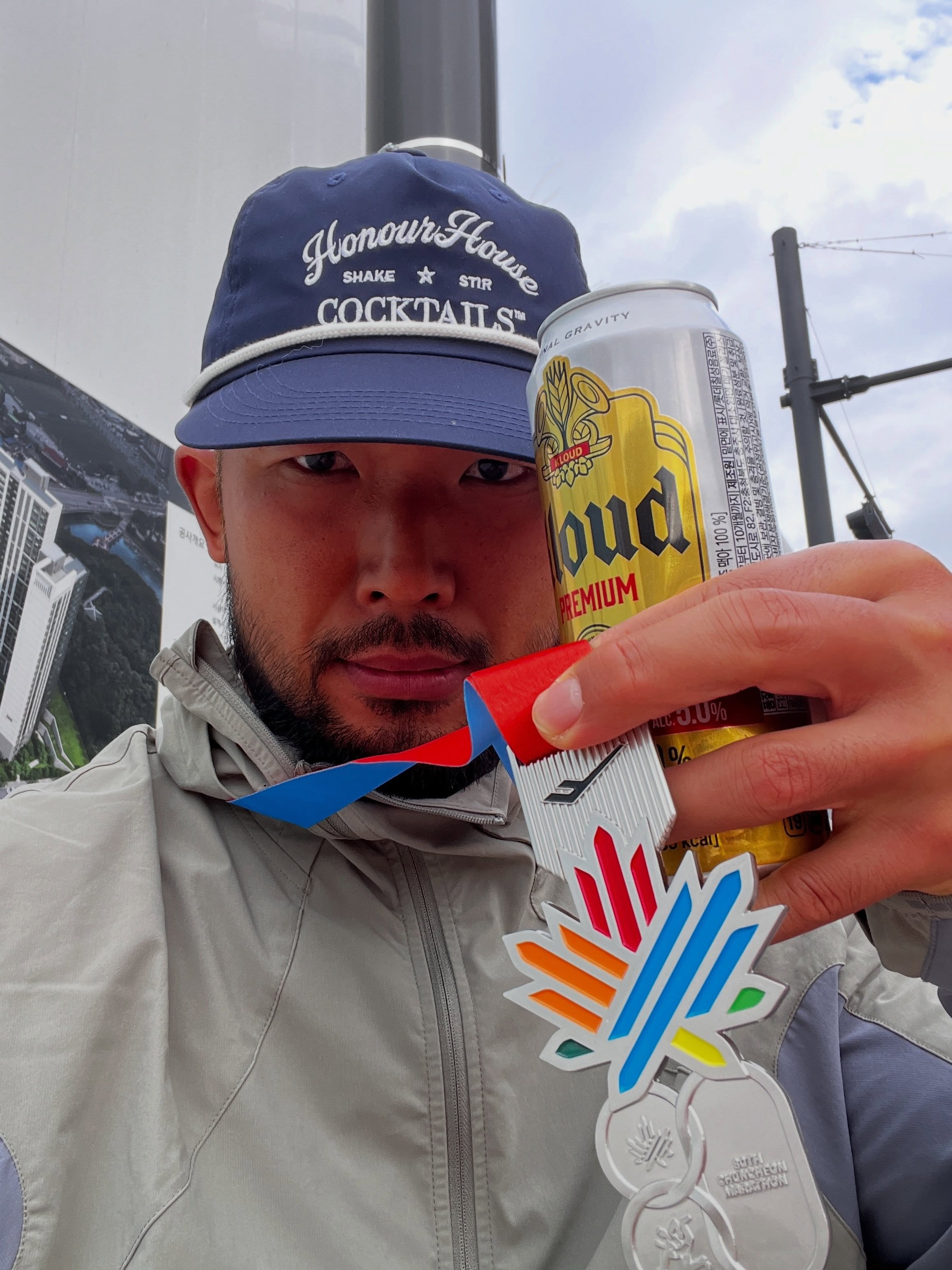
02 · RACE5 photos · 2 videos
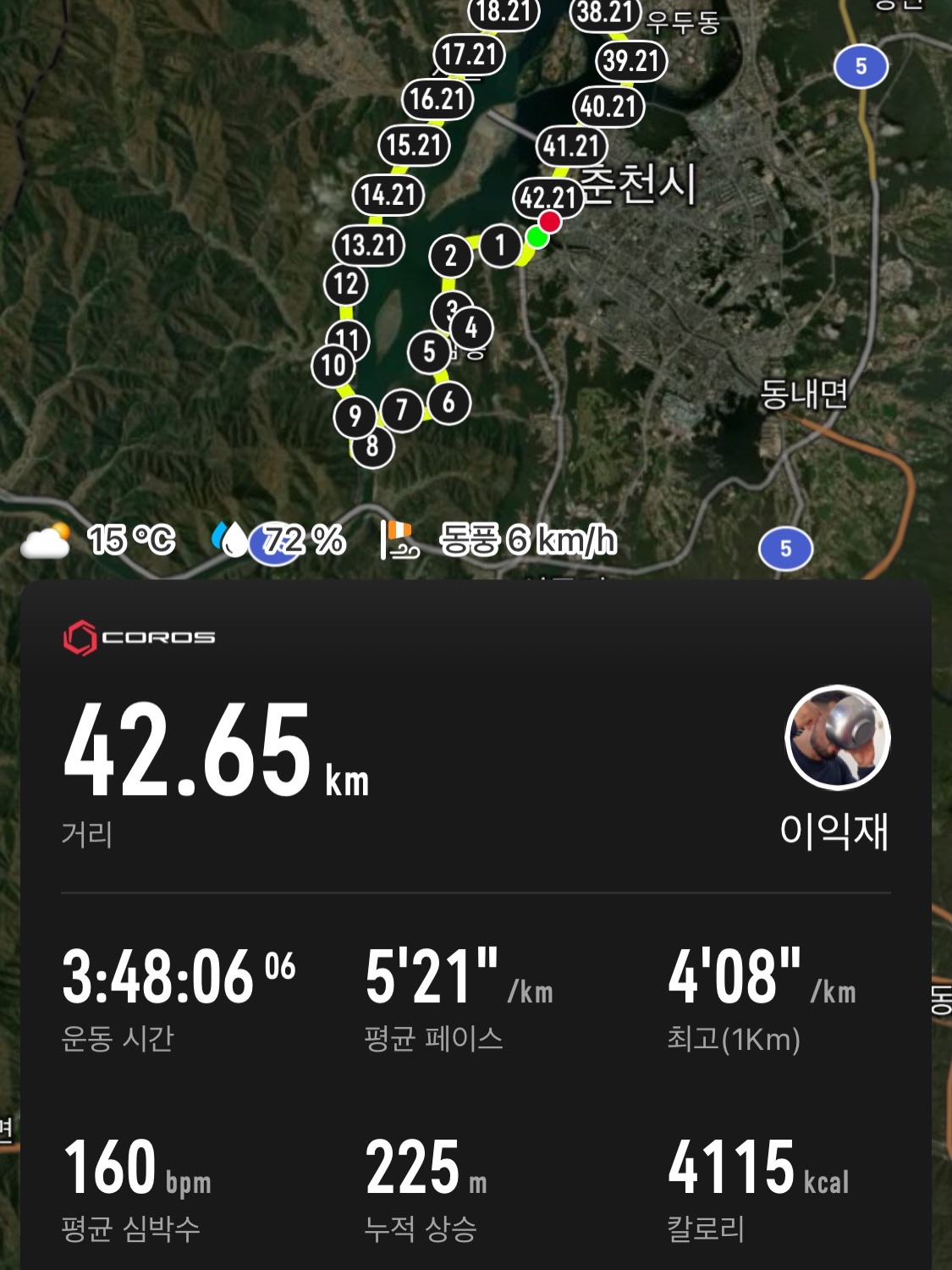
Turning hours of training into a 42.195km race
See the full story on InstagramFILM & JOURNAL
Hybrid training continues in the work you do every day. Follow coach IK JAE LEE's real process through films and journals, from weight training, running and recovery to race preparation.
FAQ
The first 5 of 20 questions are visible. Scroll within this area for the rest. Click a question or press Enter or Space to open the full answer in a dialog. Close it with the Close button or Esc to return to the question.
Hybrid training develops strength and endurance together without focusing exclusively on either. Rather than simply adding weights and running, IKTYPE connects them with mobility and recovery in one weekly plan. For example, the fatigue from a lower-body strength session informs the order and intensity of the next run. It does not mean doing every activity at high intensity every day: the balance depends on your goals, experience and everyday schedule. The priority is a sustainable balance that lets you return for the next session, rather than a single exhausting workout.
Conventional weight training mainly uses resistance exercise to build strength and muscle. Hybrid training also schedules endurance work such as running, addressing both force production and sustained movement. Neither approach is inherently better; the right choice depends on the change you want. If strength is your priority, the quality of your lifting should be protected. If you have a running goal, the running workload and recovery also need consideration. IKTYPE connects mobility work to these elements to find a balance across the whole plan.
IKTYPE is coach Ik Jae Lee’s hybrid training brand. The website introduces him as head coach at GYMTOWN FOREST, drawing on his own experience in weight training, running, mobility and racing. The aim is not to apply the coach’s personal records to everyone, but to connect training with each person’s experience, current fitness and daily rhythm. The coach profile and race archive show related activities. Please confirm your specific coaching goals and the conditions for working together through an Instagram consultation.
You do not need to start with heavy weights or long runs. First consider your exercise experience, familiarity with basic movements, comfortable activity duration and weekly availability. For beginners, the priority is learning basic lifting technique and comfortable aerobic exercise, then repeating them within a workload you can recover from. Record your own response and progress gradually rather than copying someone else’s volume. Mention health limitations or previous injuries before the consultation, and seek medical clearance for exercise first when needed.
If you have trained consistently in one discipline and want to develop another ability, reviewing your plan can be a useful starting point. Experienced lifters can monitor leg fatigue and recovery when adding running. Runners can place strength work so that it does not interfere with key runs. Rather than replacing an established routine entirely, first identify your goals and the elements that need attention. Sharing your current frequency, lifting loads or running distances, and when fatigue accumulates helps the consultation. The scope of any adjustment depends on your condition and goals.
Start with your goals, current fitness and the days and times you can actually train. Weight training and running can then be arranged alongside mobility work and recovery. Managing the overall load by distinguishing important sessions from easier days matters more than filling every day at the same intensity. A repeatable schedule takes priority over one that conflicts with work or sleep. Once training starts, actual performance and fatigue guide changes to volume and order. Think of it as an ongoing process that fits your life, rather than a fixed routine that works for everyone.
First decide the most important goal for that day. A day prioritising strength may need a different order from one prioritising running quality. Watch fatigue particularly closely when demanding lower-body activities are placed back to back. Where possible, consider a rest interval between sessions or separating them onto different days. The intensity and total workload of both sessions matter, not just which comes first. Sharing the time you can realistically set aside, including warm-up and cool-down, helps you discuss an appropriate plan.
There is no single frequency or session length suitable for everyone. Your current training, goals, work schedule, sleep and recovery all affect the starting point. First choose days and durations you can repeat comfortably, then prioritise lifting and running within that availability. Adjust by observing your existing sessions and next-day fatigue rather than rapidly adding more workouts. Even with limited time, it is possible to identify the most relevant exercises for your goal. During the consultation, share the time you can actually commit as well as your preferred training frequency.
First review what you can comfortably run now and your recent running history. Distinguish periods of building distance from those introducing faster running, while also monitoring leg fatigue from lifting. Increasing distance, speed and frequency substantially at the same time can raise the load, so adjust according to how you feel and recover after a change. Not every run needs to be hard; easy running also has a place in the weekly plan. If pain develops or fatigue lasts longer than usual, reassess intensity and volume instead of forcing yourself through the schedule.
Squats, deadlifts and lunges are examples of strength exercises, not a mandatory list for everyone. Exercise choice should reflect movement skill, range of motion, available equipment and the running schedule. Start with a load that lets you complete the intended work while maintaining technique and control. Rather than increasing weight based only on a training log, also consider execution quality and the fatigue left for the next session. Do not force repeated unfamiliar or uncomfortable movements. Discuss suitable difficulty and alternatives during the consultation.
Mobility training prepares you to move your joints and body with control through the range you need. IKTYPE treats it as part of preparing for movement, rather than an optional extra separate from lifting and running. Before exercise, check the movements and ranges needed that day; separate practice can help you explore limitations or discomfort. The aim is not to stretch as deeply as possible or tolerate pain. Appropriate ranges and methods vary, and mobility work alone cannot be claimed to prevent injury or treat existing pain. Discuss persistent discomfort with a healthcare professional.
A recovery day reduces the load so you can be ready for your next session. If sleep is lacking or fatigue has accumulated, sufficient rest may take priority. If you feel well, comfortable walking or gentle movement may be an option. The important point is not to turn recovery into another high-intensity training day. Look beyond muscle soreness to everyday tiredness, sleep quality and changes in your next session’s performance. The amount and type of activity depend on your response. If fatigue keeps returning or persists, reconsider the weekly workload and schedule first.
A plan can address both goals, but peak progress in the two areas will not necessarily occur at the same rate. Depending on your level, training load and recovery, one period may emphasise strength or muscle growth and another running performance. Set priorities and manage interference between sessions rather than simply increasing the intensity of every workout. Sleep and adequate energy intake also deserve attention. Specific race times or amounts of muscle gain cannot be guaranteed. Review the plan against actual performance and recovery trends.
Hybrid training can be considered as a way to improve fitness or establish regular activity. Weight changes also depend on food intake, sleep, health and daily movement, so a particular amount of weight loss cannot be promised through exercise alone. Alongside body weight, consider whether you exercise consistently, perform the same activity more comfortably and recover reliably. Avoid severe food restriction and abrupt increases in training volume. If you need advice about a medical condition or nutrition, seek support from a healthcare professional or an appropriately qualified specialist.
At the consultation, explain where and when pain occurs, previous injuries, current treatment and any restrictions given by healthcare professionals. Coaching does not replace medical diagnosis or rehabilitation; medical advice takes priority when it is unclear whether you should continue exercising. Stop immediately and seek appropriate care if you experience sharp pain, sudden dizziness or chest pain during exercise. Reassess the movement and workload rather than completing planned sets through discomfort. Whether training can proceed, and what can be adjusted, must be discussed after your condition is reviewed. Recovery cannot be guaranteed.
Share the event and date, recent results and training volume, and whether finishing or improving a time matters most. The balance of running and strength work can be discussed in light of your current level and the time remaining. Rather than simply adding race preparation to your normal routine, manage the overall load around key sessions and recovery. The race records on this site illustrate the coach’s experience; they do not promise equivalent results for you. If preparation time is short or you have pain, review whether the goal itself is realistic and safe first.
First share the space and equipment available at home or outdoors, and which days you can use a gym. Equipment affects exercise choices and how resistance can be applied, while weather and surroundings also influence running. Choose movements that fit your goals and actual environment rather than assuming the same programme can be used unchanged. With limited equipment, distinguish what can be substituted from what remains constrained. Confirm the scope and format of coaching that can actually be offered during the consultation. Do not assume online coaching or visits are always available.
Useful basics include lifting loads and repetitions, plus running time and distance. Brief notes on perceived effort, sleep, fatigue and discomfort can reveal changes that performance numbers alone miss. Look at consistency over several weeks and whether movement becomes steadier under a similar load, rather than just one personal best. Not setting a new record every session is not a failure. Reducing the plan when fatigue builds or your schedule changes is also part of adjustment. Confirm which information to share and how to share it during the coaching consultation.
IKTYPE describes its process as reviewing your current situation, building a training plan and adjusting after you train. Experience, goals, weekly availability and difficulties are reviewed first. The order and intensity of lifting, running and mobility, together with recovery, are then connected in one plan. Adjustments consider what you actually completed and how you felt, not just the planned volume. If your schedule changes or fatigue rises, priorities and load can be reconsidered rather than automatically adding exercise. Confirm feedback frequency, contact methods and in-person or remote arrangements separately during the consultation.
Send an Instagram DM to @iktype with your current exercise, goals, weekly availability and biggest difficulty. Recent training frequency, running distance, available equipment and previous injuries or limitations also help explain your situation. Confirm price, duration, location, coaching format and booking, change and cancellation conditions directly rather than inferring them from public content. The website’s translated languages may differ from the languages available for consultation, so ask about your preferred language in advance. Brand and event collaboration proposals can also be sent through the same channel.
05 · START
We start with the training you do now and the goals you want to reach. Send an Instagram DM with your current training, weekly schedule and biggest challenge.
Please ask via Instagram DM about coaching availability in your preferred language.
@iktype@iktype · Opens Instagram.